Top Tips for Sourcing Forged Steel Parts Efficiently?
The sourcing of forged steel parts is a critical area for many industries, including automotive and aerospace. According to industry reports, the global forged steel market is projected to surpass $150 billion by 2027, driven by increasing demand for durable and high-performance components. For manufacturers, the challenge lies in finding reliable suppliers that can deliver quality parts on time.
In today's competitive landscape, understanding the nuances of sourcing forged steel parts is essential. Many companies struggle with supply chain disruptions and fluctuating material costs. The key is to leverage industry insights and establish relationships with reputable suppliers. Companies with a solid sourcing strategy benefit not only from reduced costs but also from improved product quality.
However, navigating the procurement process can be daunting. Issues like inconsistent quality and delivery delays can plague even well-established companies. A proactive approach is necessary. Staying informed about market trends and fostering strong supplier relationships can enhance efficiency and ensure that firms remain competitive in an ever-evolving industry.
Understanding Forged Steel Parts and Their Applications
Forged steel parts are increasingly critical in various industries. Their high strength and durability make them ideal for heavy machinery, automotive components, and aerospace applications. According to industry reports, the forged steel market is projected to grow at a CAGR of 3.5% from 2021 to 2026. This growth is driven by demand for robust materials that can withstand harsh operating conditions.
Understanding the applications of forged steel parts is vital for efficient sourcing. In construction, forged steel withstands heavy loads, making it suitable for structural components. Aerospace relies on forged parts for components like landing gear, due to their lightweight and strength qualities. Automotive sectors use forged steel for parts subject to high stress, such as crankshafts. However, sourcing these parts can be challenging. A lack of standardized specifications often leads to inconsistencies in quality.
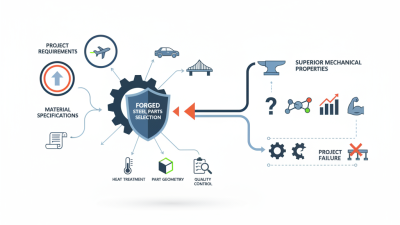
Navigating the complexities of forged steel sourcing requires expertise. Engineers should be aware of the differences in processes like open-die forging versus closed-die forging. Each method affects the part’s properties and cost. It’s essential to collaborate closely with suppliers to ensure that materials meet industry standards and specific project requirements. Remember, even minor discrepancies can impact functionality. A careful approach to understanding the specifics of forged steel is crucial for successful applications.
Top Tips for Sourcing Forged Steel Parts Efficiently
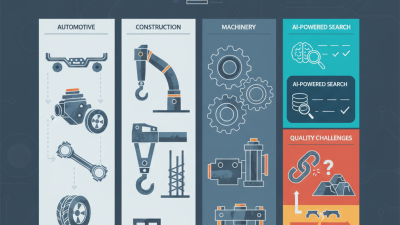
This chart illustrates the different sourcing methods for forged steel parts and their efficiency ratings based on industry feedback. Understanding the effectiveness of each method can help streamline your sourcing process.
Identifying Reliable Suppliers for Forged Steel Components
When sourcing forged steel components, finding reliable suppliers is crucial. Start by examining their production processes. A supplier should adhere to strict quality standards and exhibit transparency. Understanding their manufacturing capabilities is important. It gives insight into the materials they use and their production methods.
Engage in meaningful dialogues with potential suppliers. Ask about their experience and previous projects. This reveals their expertise and reliability. Look for testimonials or case studies from past clients. Such information illustrates their capability in meeting specific requirements.
Don't overlook the importance of certifications. Relevant industry certifications signify adherence to recognized standards. These can include quality management and material certifications. Additionally, visit their facilities, if possible. Seeing the operations firsthand can help in assessing their reliability. Consider suppliers who are open to discussing challenges and their solutions. This openness can indicate their commitment to quality and partnership.
Key Factors in Evaluating the Quality of Forged Steel Parts
When evaluating the quality of forged steel parts, several key factors come into play. Material composition is crucial. According to a 2021 report by the American Institute of Steel Construction, nearly 70% of steel failures are attributed to inadequate material properties. Moreover, the microstructure impacts performance. A refined grain structure leads to better strength and toughness, enhancing the part's overall reliability.
Manufacturing processes also significantly influence quality. Techniques like warm forging can improve material flow and reduce defects. A study published in the Journal of Manufacturing Processes shows that parts produced with this method exhibit 20% less porosity. Additionally, inspecting for surface imperfections is vital. Even minor flaws can compromise performance. Regular quality assurance checks should be implemented at every production stage to ensure reliability.
It’s essential to consider the supplier's experience and certifications. A supplier with a solid track record often provides more consistent quality. However, relying solely on documentation can be risky. Conducting on-site inspections may reveal discrepancies that paperwork cannot. Engaging with industry standards, such as ISO 9001, can also serve as a benchmark for assessing a supplier’s credibility.
Cost-Effectiveness Strategies for Sourcing Forged Steel
When sourcing forged steel parts, cost-effectiveness is key. Reports indicate that raw material prices account for about 50% of the total production cost. This highlights the importance of strategic sourcing practices. Establishing relationships with multiple suppliers can result in better pricing. It is crucial to evaluate the financial stability of suppliers to avoid disruptions.
Considering bulk purchasing can also yield significant savings. A study shows that companies that utilize bulk orders can save up to 15% on cost per unit. However, this approach requires careful forecasting to prevent overstocking. Inventory management plays a vital role here. Excess inventory can lead to increased carrying costs. Balancing supply chain efficiency with storage needs is essential.
Moreover, investing in technology can enhance sourcing efficiency. Data analytics tools provide insights into market trends and supplier performance. Companies that leverage such technologies report a 20% improvement in sourcing accuracy. Yet, reliance on technology should be cautious. Complete dependence can lead to vulnerabilities if systems fail. The effective sourcing of forged steel parts requires a blend of strategic planning, supplier relationships, and data-driven decision-making.
Best Practices for Managing Supply Chain Risks in Forging Process
Managing supply chain risks in the forging process is
critical for efficiency. Understanding the various risks can help companies thrive. Supplier reliability is a
major concern. Evaluate suppliers based on their past performance. Inadequate assessments
can lead to delays and increased costs.
Another risk involves fluctuating material costs. Prices of raw materials
can vary widely. This unpredictability can disrupt budgets and schedules. Companies should consider establishing
long-term contracts. These agreements may help stabilize costs.
However, reliance on a single supplier might backfire. Diversifying supplier options
often provides a safety net.
Furthermore, communication gaps can hinder the forging process.
Clear and timely communication with all stakeholders is essential. Misunderstandings may lead to production issues.
Companies should implement regular check-ins to ensure alignment. Documenting all agreements also helps in maintaining accountability.
Reflection on these practices is vital. Continuous improvement ensures resilience
in an evolving market. Ultimately, thoughtful risk management will enhance overall operations in steel forging.