2026 How to Source Forged Cylinders for Industrial Use?
Sourcing forged cylinders for industrial use can be a complex task. These components play a critical role in various applications, including manufacturing and construction. Understanding how to choose the right supplier is essential. The market offers an array of options, but not all suppliers are created equal.
When sourcing forged cylinders, quality is paramount. Look for manufacturers with experience and a solid reputation. It's crucial to evaluate their production process and material selection. Be aware that quality control measures differ among suppliers. You may encounter discrepancies in craftsmanship and material integrity.
Building a reliable supply chain requires due diligence. Engage with multiple manufacturers and seek samples. This process reveals the strength and durability of the forged cylinders. Remember, the right choice can significantly impact your project's success. A thoughtful approach in sourcing can save future complications. Be prepared to reflect on your choices as they shape your industrial outcomes.
Understanding Forged Cylinders and Their Industrial Applications
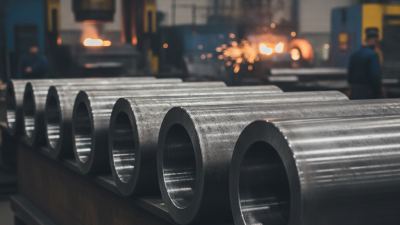
Forged cylinders are integral to various industrial applications. They are known for their strength and durability. These cylinders are often utilized in hydraulic systems, aerospace components, and automotive parts. Their ability to withstand high pressures and extreme conditions makes them a preferred choice in manufacturing.
When sourcing forged cylinders, it's crucial to understand their specifications. Various materials can be used, such as steel or aluminum, depending on the application. Each material offers different properties. Evaluate the specific needs your project demands. You may need cylinders with a particular size, weight, or heat treatment. Always consult with experts to match these needs with the right product.
Quality control in the forging process is vital. Always ask about the manufacturing practices. Different forge shops may have varying standards. Not all forged cylinders are created equal. This variability can lead to performance issues if not addressed. Engaging with reliable suppliers who maintain high-quality processes is essential to ensure that the cylinders fulfill intended purposes safely and effectively.
Key Factors to Consider When Sourcing Forged Cylinders
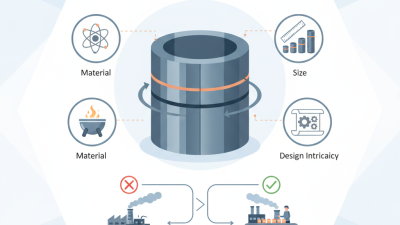
When sourcing forged cylinders for industrial use, several critical factors come into play. Understanding the specific requirements of your project is essential. Forged cylinders must meet strict standards for strength and durability. Consider the material used; different metals provide varying levels of performance. Assess your operational temperature and pressure demands. These variables will impact your cylinder's efficiency and lifespan.
Tips: Always request material certifications. This ensures that the product meets the required specifications. Verify the manufacturer's track record. A reliable manufacturer should have experience in producing high-quality forged components.
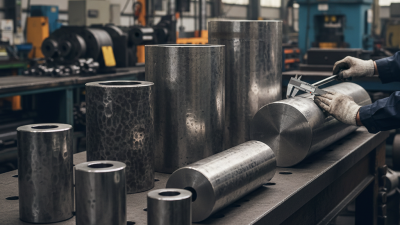
Another important consideration is the machining capabilities of the supplier. Different projects may require unique dimensions or tolerances. Evaluate the supplier's ability to customize their offerings. Communication is key; be clear about your needs. The adaptation process may reveal areas for improvement and innovative solutions.
Tips: Create a detailed specification sheet. This will guide your discussion with potential suppliers. Additionally, visiting the manufacturing site allows for a better understanding of their processes and quality control measures. Remember, not all suppliers may live up to expectations, so be prepared to pivot if needed.
Identifying Reliable Manufacturers and Suppliers for Forged Cylinders
Finding reliable manufacturers and suppliers for forged cylinders can be challenging. Research indicates that over 30% of companies struggle with selecting trustworthy partners in this niche. Identifying quality suppliers is crucial for ensuring product integrity and operational safety. The forged cylinder industry is projected to grow, reaching $15 billion by 2025, underscoring the importance of reliable sourcing.
When sourcing, consider factors like production capacity and quality control measures. A recent survey highlighted that 40% of manufacturers prioritize certifications when evaluating suppliers. Look for partnerships with suppliers who have proven track records and excellent customer reviews. The right supplier should provide transparent information on their manufacturing processes.
Don't overlook the potential for discrepancies in manufacturing quality. Seek suppliers willing to share their quality assurance practices. A study found that 25% of businesses experienced quality issues with forged products. Regular audits and communication can mitigate risks. Engaging with industry experts and networking can also guide you to reputable sources. Be ready to question suppliers about their experience and capabilities. This diligence pays off significantly in the long run.
Evaluating Quality Standards and Certifications for Forged Products
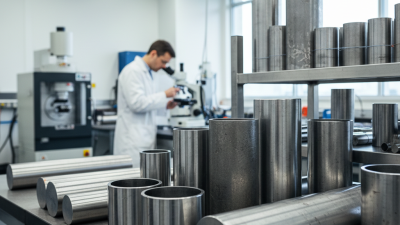
When sourcing forged cylinders for industrial use, quality standards and certifications play a crucial role. The importance of adhering to internationally recognized standards cannot be overstated. According to a recent industry report, about 70% of end-users emphasize that certified products significantly enhance their operational reliability. Certifications like ISO 9001 and ASTM provide assurance regarding manufacturing excellence. Independent audits and certifications ensure products meet specific criteria, which is vital in high-stakes sectors.
It's essential to evaluate suppliers rigorously. While many claim to meet quality standards, not all demonstrate reliable practices. To mitigate risks, consider third-party evaluations. One industry study found that companies utilizing third-party assessment experienced a 30% reduction in product failures. Seek suppliers who can provide transparent documentation and traceability for their products.
**Tip:** Always ask for certifications upfront. This saves time and builds trust early in the process.
Ensure that the certifications cover material specifications and testing methods. The lack of proper documentation could lead to costly mistakes. Stay vigilant, as not all products labeled as “forged” adhere to the same quality benchmarks. Selecting a supplier should involve comprehensive research and requirements validation.
**Tip:** Look for suppliers with a proven track record. Testimonials from other users can help assess their reliability.
2026 Quality Standards for Forged Cylinders
Cost Considerations and Budgeting for Forged Cylinder Procurement
When sourcing forged cylinders for industrial use, understanding cost considerations is crucial. The overall expenditure can vary depending on material selection, manufacturing processes, and quality standards. Recent industry reports highlight that raw material costs often constitute around 40% of the total budget. For instance, steel prices have fluctuated significantly, reflecting changes in global demand and supply chain challenges.
Budgeting for procurement should account for these variables. It’s vital to conduct a thorough market analysis. This may involve assessing different suppliers and their pricing models. Additionally, consider the long-term performance and lifespan of the forged cylinders. Investing in quality can prevent costly replacements and downtime. Industry studies suggest that while initial costs may be higher for premium options, they can result in savings of up to 30% over a product's lifetime.
Focusing on cost-efficiency does not mean sacrificing quality. Balancing these elements requires careful planning. It’s common for businesses to underestimate unforeseen expenses, such as shipping costs and tariffs. Staying informed about market trends is essential for making sound financial decisions. The procurement process should involve constant evaluation and adjustment to align with budget constraints while ensuring operational efficiency.
2026 How to Source Forged Cylinders for Industrial Use? - Cost Considerations and Budgeting for Forged Cylinder Procurement
| Dimension (mm) |
Weight (kg) |
Material Type |
Estimated Cost ($) |
Lead Time (weeks) |
| 100 x 200 |
15 |
Steel |
500 |
4 |
| 150 x 300 |
30 |
Alloy Steel |
800 |
6 |
| 200 x 400 |
50 |
Carbon Steel |
1200 |
8 |
| 250 x 500 |
75 |
Stainless Steel |
2000 |
10 |
| 300 x 600 |
100 |
Forged Alloy |
2500 |
12 |