How to Select the Best Hot Forging Parts for Your Needs?
Selecting the right hot forging part can be a daunting task. Experts, like Dr. Emily Smith, emphasize this challenge. She once said, "Choosing the right hot forging part requires careful consideration of materials and design." This insight highlights the need for informed decision-making.
The hot forging process enhances the properties of metals, making them suitable for various applications. However, not all parts are created equal. Material choice plays a crucial role. Different alloys can lead to varying outcomes in strength and durability. Potential buyers must assess their specific needs to ensure effective performance.
Moreover, understanding the supplier's reliability is key. An experienced supplier provides comprehensive data on their products. They can guide you toward the best hot forging solution. Nonetheless, it is vital to evaluate multiple suppliers before making a choice. Each offers unique qualities and capabilities. This reflection is necessary for achieving optimal results.

Understanding Hot Forging: Key Concepts and Benefits
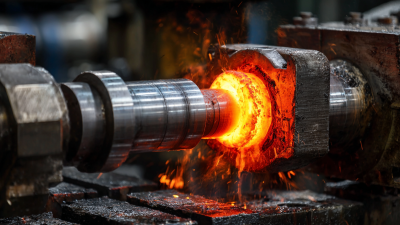
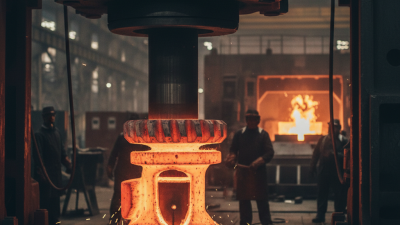
Hot forging is a vital manufacturing process in various industries. This technique involves shaping metal by applying heat and pressure. It enhances the mechanical properties of materials, leading to stronger and more durable parts. According to industry reports, the global hot forging market is expected to reach approximately $28 billion by 2026. This growth emphasizes the increasing reliance on hot forging for producing high-quality components.
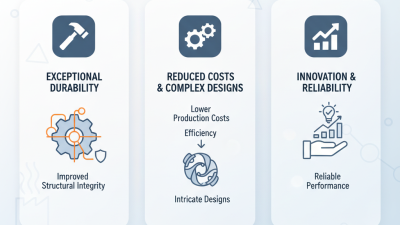
Understanding the key concepts of hot forging helps in selecting the best parts for your needs. The process allows for better grain structure and reduced porosity in metals. This results in improved fatigue resistance and overall performance of the final product. Additionally, the process can reduce production costs through less material waste. However, it is essential to consider that not all materials are suitable for hot forging. Mismatched material types can lead to failures.
Tips for choosing the right hot forging parts include analyzing application requirements. Identify factors such as load capacity, environmental conditions, and part complexity. Ensure that the chosen materials align with the intended use. It’s also wise to consult experts in the field. They can provide insights based on experience and current industry standards. Remember, the right choice can significantly impact the performance of the end product.
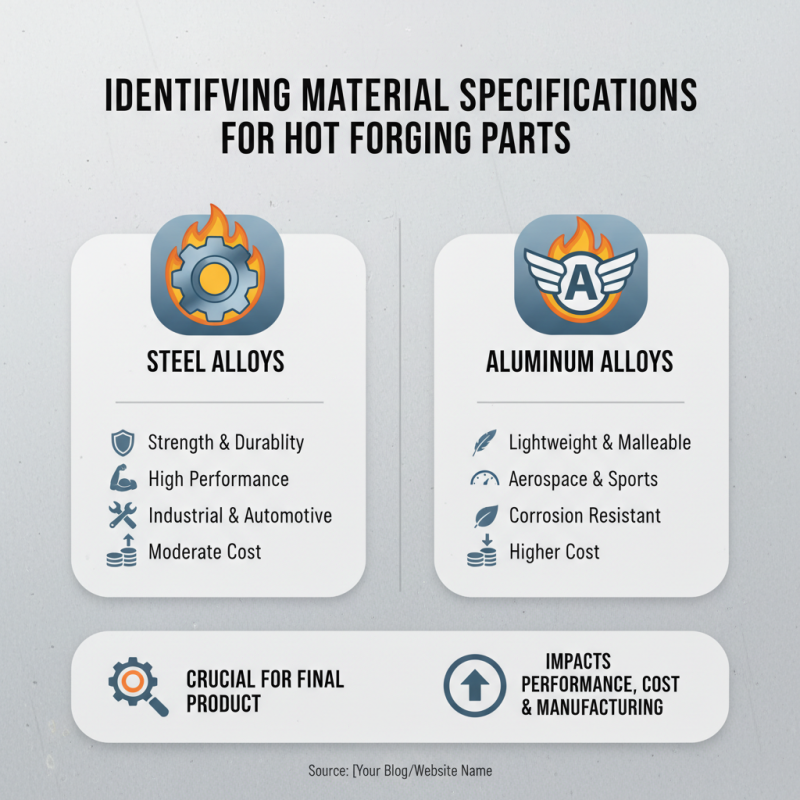
Identifying Material Specifications for Hot Forging Parts
When selecting hot forging parts, understanding material specifications is crucial. Different materials possess unique properties that affect the final product. For instance, steel parts are known for their strength and durability, while aluminum parts are lighter and more malleable. This variance influences not just performance but also the cost and manufacturability of the parts.
Tip: Always verify the mechanical properties of the material. This includes tensile strength, hardness, and ductility. Assess these characteristics against your application requirements. Skipping this step can lead to parts that fail in service.
Consider the environment where the part will operate. Factors like temperature, corrosion, and wear can impact material choice. Some materials may perform well in controlled environments but falter under harsh conditions. If there’s uncertainty, consult with metallurgical experts to obtain reliable information.
Tip: Don't underestimate the importance of testing samples before full production. This proactive approach can reveal unexpected issues. Engaging in this practice could save significant time and resources.
Evaluating Tolerances and Quality Standards in Hot Forging
When evaluating tolerances and quality standards in hot forging, precise measurements are key. The tolerances can vary significantly based on the application and material. For critical applications, standards like ISO and ASTM play a vital role. They set benchmarks for dimensions and tolerances, ensuring consistency and reliability. Understanding these standards helps ensure you select parts that will perform well in your specific use.
Tips: Keep a close eye on the drawings and specifications given by manufacturers. Ensure that the tolerances listed align with your requirements. Misunderstandings can lead to costly mistakes.
Quality assurance processes are just as crucial. These processes ensure that forged parts meet specified criteria. Techniques like ultrasonic testing and x-ray inspection identify any internal flaws. Regular audits of manufacturing processes also protect against deviations from quality standards.
Tips: Involve your engineering team in the quality evaluation process. Their insights can help in making informed decisions. Don’t hesitate to question perceived quality, as this can lead to continuous improvement in selection processes. Reflect on what worked well in the past and what didn’t to refine future choices.
Evaluating Quality Standards in Hot Forging Parts
Assessing Production Volume Needs for Optimal Hot Forging Parts
When selecting hot forging parts, assessing production volume is crucial. Consider your project's scale. A small production volume may not justify large-scale tooling and machinery investments. Conversely, for high-volume needs, customized tools and precise methods are essential. Efficient tooling can significantly reduce production time and costs.
Each project is unique. Evaluate the types of materials required and the complexity of your designs. This affects the forging process directly. High-volume production often benefits from standardized parts. However, custom designs can become cost-prohibitive if not planned for larger runs. It’s a balancing act that requires careful thought.
Errors in estimating volume can lead to wasted resources. Adjusting production schedules later can be cumbersome. Engaging with experienced manufacturers can provide valuable insights. They can help forecast volume needs accurately, reducing the risk of overbuying or underproducing. Ensure your manufacturing partner understands your requirements fully. This helps avoid pitfalls in production quality and delivery timelines.
How to Select the Best Hot Forging Parts for Your Needs? - Assessing Production Volume Needs for Optimal Hot Forging Parts
| Production Volume |
Material Type |
Size Range (mm) |
Average Lead Time (days) |
Finish Type |
| Low Volume (1-100) |
Aluminum Alloy |
10-50 |
15 |
Machined |
| Medium Volume (101-1000) |
Steel |
20-100 |
30 |
Heat Treated |
| High Volume (1001-10000) |
Titanium |
50-200 |
45 |
Surface Coated |
| Custom Volume (Varies) |
Copper |
15-75 |
60 |
Polished |
Analyzing Cost-Effectiveness and Supplier Reliability in Procurement
When selecting hot forging parts, evaluating cost-effectiveness and supplier reliability is crucial. Cost-effectiveness ensures you receive good value for your investment. It’s vital to consider both the price and the quality of the parts. A cheaper option might save money initially but could lead to higher maintenance costs later on. Analyze your total cost of ownership to make informed decisions.
Tips: Always compare quotes from various suppliers. Look beyond the initial price. Check for reviews and testimonials to gauge reliability. A supplier with a strong track record often indicates better long-term partnerships.
Supplier reliability is equally significant. A dependable supplier ensures timely deliveries. Delays can disrupt production schedules and lead to significant losses. Consistency in quality also builds trust. Seek suppliers who provide transparent communication and updates.
Tips: Request performance metrics from your suppliers. Understand their manufacturing processes. Sometimes, it's better to invest in a reputable supplier than to gamble on lower costs. Reflect on your experiences; have unreliable suppliers caused issues in the past? This reflection can guide future decisions.