What is Forged Steel Parts and Why They Matter for Buyers?
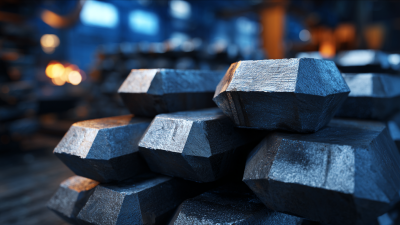
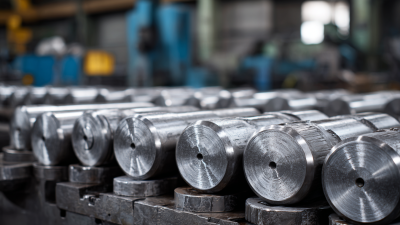
Forged Steel Parts play a crucial role in various industries. These components are made through a process that involves shaping steel under high pressure. This results in materials that are often stronger and more durable than their cast counterparts. Understanding the importance of Forged Steel Parts can significantly benefit buyers.
When sourcing these components, it's essential to consider quality and supplier reliability. Forged Steel Parts can enhance the overall performance of machinery and equipment. Buyers must also recognize that not all forged parts are created equal. Variations in techniques and materials can lead to significant differences in strength and performance.
Mistakes can be costly. Buyers should research suppliers thoroughly. Look for manufacturers with a solid reputation and experience in producing Forged Steel Parts. Engaging with experts or consulting engineers can provide valuable insights. The right choices can lead to long-lasting equipment, while poor selections can result in failures and safety risks. Investing time in understanding Forged Steel Parts leads to better decisions and outcomes.
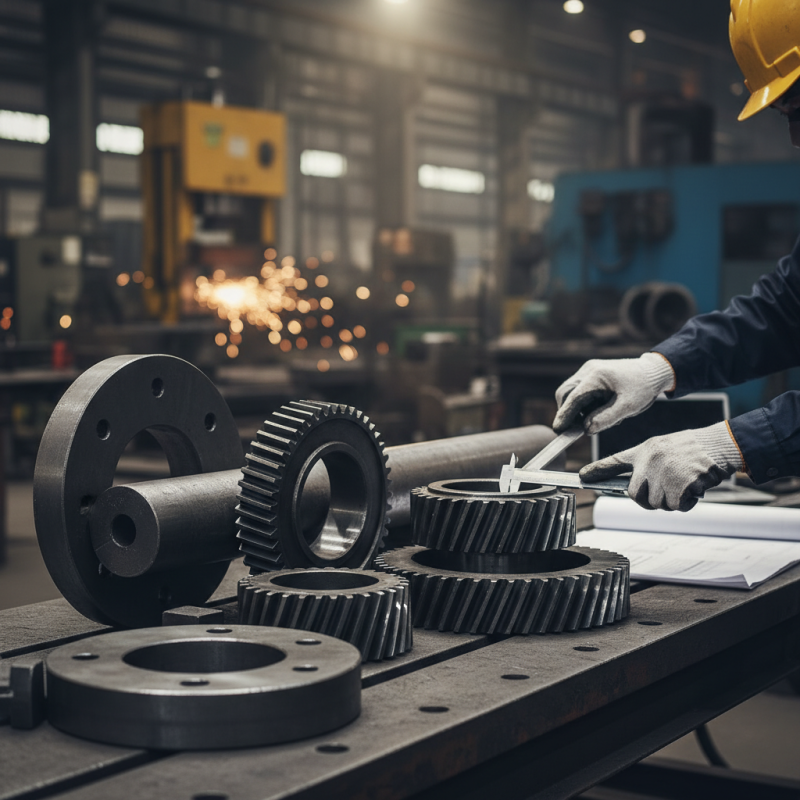
Definition and Characteristics of Forged Steel Parts
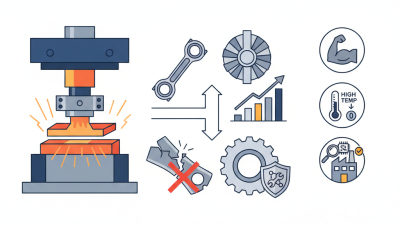
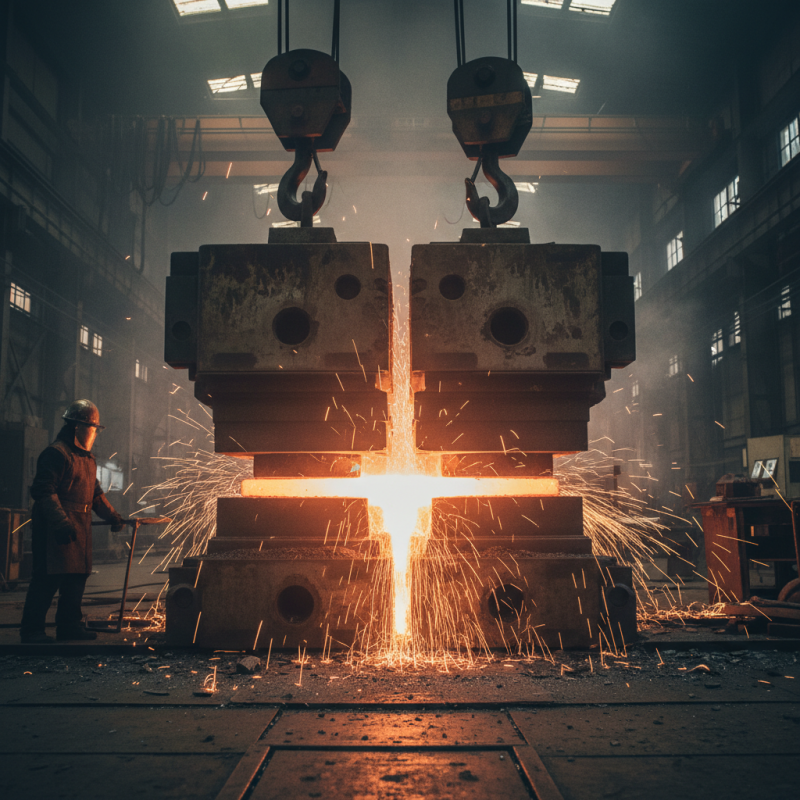
Forged steel parts are created by applying high pressure to shape steel into desired forms. This process increases the metal’s strength and durability. Different techniques, like open-die forging and closed-die forging, are utilized depending on part complexity. Each method has distinct advantages and limitations. For example, open-die forging allows for larger components but may involve more handling time.
One key characteristic of forged steel parts is their excellent structural integrity. The forging process aligns the grain structure, improving toughness and resistance to fatigue. These parts often outperform cast or machined components under stress. However, achieving the desired specifications may require careful planning. Some manufacturers struggle with the intricacies of this process. It's not uncommon for inconsistencies to arise, leading to production challenges.
Buyers should also be aware of the cost implications of forged steel parts. While they often provide superior performance, these parts can carry a higher upfront cost. Budget considerations are essential. It's important to weigh the long-term benefits against initial investments. Forged parts might not always be the right choice for every application. Careful evaluation can help in making informed decisions that align with project needs.
Various Types of Forged Steel Parts and Their Applications
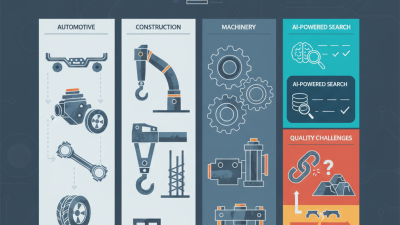
Forged steel parts are crucial in various industries, offering unmatched strength and durability. The types of forged steel components vary widely, each serving specific applications. For example, crankshafts used in automotive engines are forged for better toughness and fatigue resistance. In 2022, the global demand for forged steel parts reached approximately 12.5 million metric tons, emphasizing their importance in manufacturing.
Another significant category is forged fittings, vital in the oil and gas sector. These parts can withstand extreme pressures and harsh conditions. According to a report by MarketsandMarkets, the forged fittings market size is projected to grow at a CAGR of 3.2% from 2023 to 2028. This growth reflects an increasing reliance on forged parts for maintaining integrity in critical systems.
Despite their advantages, buyers must understand that not all forged steel is created equal. The choice of alloy and the forging process can dramatically impact performance. A recent engineering study revealed that incorrectly forged parts could lead to structural failures, costing companies millions in repairs. Buyers should prioritize vendors with transparent quality assurance processes and proven track records.
What is Forged Steel Parts and Why They Matter for Buyers?
| Type of Forged Steel Part |
Common Applications |
Advantages |
| Forged Steel Bolts |
Construction, Automotive, Machinery |
High strength, Durability |
| Forged Steel Gears |
Automotive, Industrial Equipment |
Precision, Enhanced Performance |
| Forged Steel Rings |
Aerospace, Oil & Gas |
Resistant to Fatigue, Lightweight |
| Forged Steel Shafts |
Energy, Machinery |
Improved Strength-to-Weight Ratio |
| Forged Steel Frames |
Heavy Machinery, Construction Equipment |
High Structural Integrity, Stability |
Advantages of Using Forged Steel Parts in Manufacturing
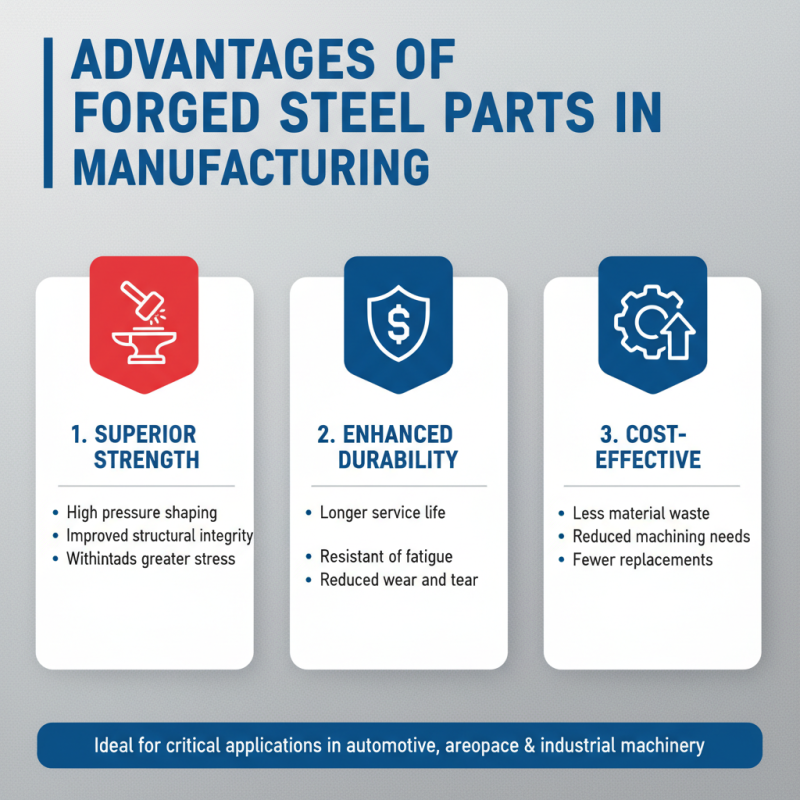
Forged steel parts are integral to various manufacturing processes. They are created through a process that involves heating steel and shaping it under high pressure. This technique gives the material improved structural integrity, making it stronger than traditional cast parts. As a result, forged steel components can withstand greater stress and offer improved durability.
One of the main advantages of using forged steel parts is their enhanced resistance to fatigue and impact. They are ideal for high-stress applications, such as in the automotive and aerospace industries. These parts can be more reliable in critical conditions. In manufacturing, this reliability translates to reduced downtime and fewer replacements needed, ultimately saving costs.
Despite the clear advantages, it's essential for buyers to consider the manufacturing process's limitations. Forging may not be suitable for every design due to complexity. Some intricate shapes might require additional machining, which can increase costs. Buyers should also weigh the trade-offs between initial investment and long-term benefits. Emphasizing a thoughtful approach in selecting forged steel parts is key to maximizing their value in production.
Factors to Consider When Purchasing Forged Steel Parts
When purchasing forged steel parts, several crucial factors should be considered. Forged steel offers superior durability and mechanical properties due to its manufacturing process, which involves shaping metal under extreme pressure. According to industry studies, forged steel can exhibit a tensile strength up to 30% higher than cast iron. This makes it ideal for high-stress applications. Buyers should assess the specific requirements of their projects to ensure proper material selection.
Another vital consideration is the manufacturing methods employed by suppliers. Different forging techniques, such as open-die or closed-die forging, yield different results regarding precision and surface finish. Research indicates that around 32% of manufacturing issues stem from improper forging methods. Therefore, understanding the supplier’s capacity and expertise is essential. Cross-referencing certifications and quality assurance processes can help buyers avoid costly mistakes.
Lastly, pricing and lead times play significant roles in the purchasing decision. Market studies show that fluctuations in raw material costs can affect final pricing. Buyers should engage in diligent negotiations and inquire about potential trade-offs in material quality or delivery timelines. This awareness could prevent production delays and unanticipated costs. Reflecting on these factors can lead to more informed decisions in sourcing forged steel parts.
Impact of Forged Steel Parts on Product Performance and Longevity
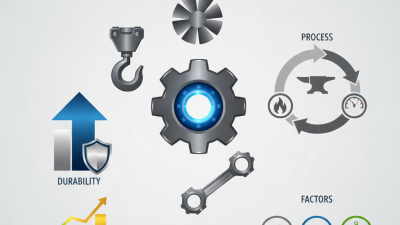
Forged steel parts are crucial for product performance and longevity. Unlike cast steel, forged components undergo a process that enhances their overall strength. The method involves heating steel to a high temperature and then shaping it using pressure. This results in a dense and homogenous material structure. Such characteristics lead to improved resistance against fatigue and wear.
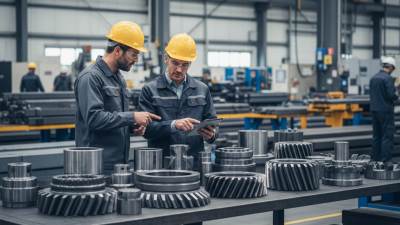
For many applications, the reliability of forged steel parts significantly impacts performance. These parts are often used in critical machinery, automotive components, and aerospace applications. When designed and manufactured well, they can withstand extreme conditions without failure. However, not all forged parts are identical. Variations in manufacturing processes and material selection can affect their overall quality. Buyers must critically assess these factors to ensure optimal performance.
It’s vital to consider how forged steel parts can enhance the life cycle of products. Industries rely on these components to minimize downtime and reduce maintenance costs. Ironically, some buyers focus more on initial cost rather than long-term value. This can lead to purchasing inferior parts that compromise performance. Ultimately, the right forged steel part can make a significant difference in product durability and efficiency.
Impact of Forged Steel Parts on Product Performance and Longevity
This chart illustrates the correlation between the use of forged steel parts and the performance metrics of products across different categories. The data showcases the percentage improvement in durability, strength, and longevity when using forged steel over other materials.