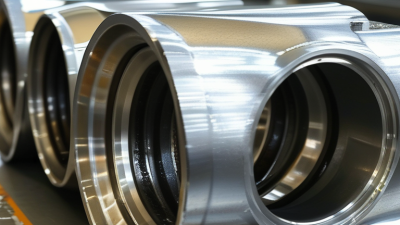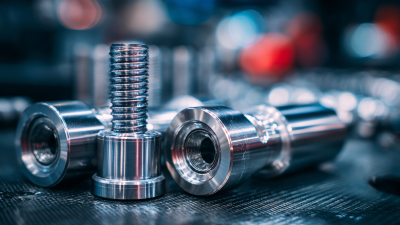
Choosing reliable Stainless Steel Auto Parts suppliers requires more than comparing prices and product photos. A supplier may promise tight tolerances, fast delivery, and polished finishes. The real evidence appears in material certificates, inspection records, production samples, and traceability documents. Ask which stainless steel grades they provide, such as 304 or 316, and confirm whether the grade suits the part’s heat, moisture, and corrosion exposure. A small sample can reveal surface scratches, weak welds, poor threading, or inconsistent dimensions.
Look beyond the catalog. Experienced buyers should review machining capacity, stamping equipment, quality controls, packaging methods, and production lead times. Suppliers serving automotive applications should explain their testing process clearly. Useful checks may include dimensional inspection, hardness testing, salt spray evaluation, and weld-quality reviews. Certifications can support credibility, but certificates alone do not guarantee dependable performance. Factory audits, video inspections, and references from comparable customers provide stronger context.
Communication matters.
A reliable partner answers technical questions with specific data, not vague promises. The lowest quotation may hide unstable material costs, high minimum order quantities, or weak after-sales support. Even experienced purchasing teams can overlook these details. That is worth admitting. Supplier selection should also consider engineering support, corrective-action procedures, replacement policies, and shipping protection. A scratched surface or mixed batch can create delays far beyond the original savings. This guide outlines practical questions and evaluation methods for finding Stainless Steel Auto Parts suppliers that offer consistent quality, transparent communication, and long-term value. No supplier looks perfect on paper. The better choice is the one that proves reliability through repeatable processes and honest documentation.
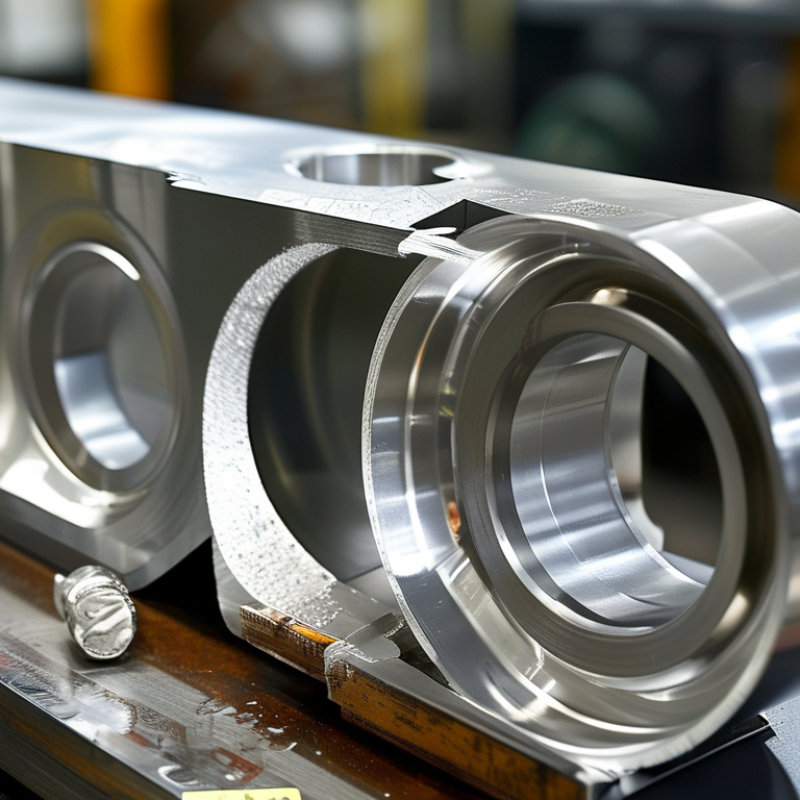
Choosing a stainless steel auto parts supplier starts with a clear requirements document. Identify the vehicle model, production year, part location, and intended function. Record exact dimensions, mounting points, thread sizes, and acceptable tolerances. Small errors can cause vibration, leakage, or poor alignment.
Consider the working environment carefully. Parts near exhaust systems need strong heat resistance. Underbody components may face water, road salt, and repeated impacts. Specify the stainless steel grade, surface finish, hardness, and corrosion resistance. Also define load limits and expected service life. A polished surface may look attractive, but it may not suit every application.
I have seen purchasing teams request “stainless steel parts” without naming a grade. That description is too broad. Ask suppliers for material certificates, inspection records, sample approvals, and dimensional reports. Confirm whether testing follows recognized automotive or quality standards. Discuss minimum order quantities, packaging, delivery schedules, and replacement procedures before approval. Keep drawings and revisions controlled. Otherwise, an old file may enter production. Be realistic, too. Some tolerances may increase costs without improving performance. Review them with an engineer and the supplier. Even a careful specification can miss an installation detail, so test-fit samples under real operating conditions.
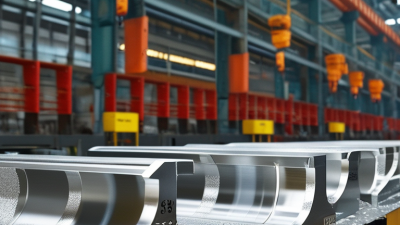
How to Choose Stainless Steel Auto Parts Suppliers?
Evaluate a supplier’s technical experience before comparing prices. An experienced team should understand stainless steel grades, forming limits, welding behavior, and corrosion risks. Ask how engineers select materials for brackets, exhaust components, fasteners, or precision assemblies. Their answers should include measurable details, not vague promises. Review process drawings, inspection plans, and sample reports. A supplier with strong manufacturing control can explain each production stage clearly.
Manufacturing capability matters more than impressive equipment lists. Check whether the factory operates laser cutting, CNC machining, stamping, welding, and surface finishing in-house. Request evidence of dimensional inspections using calibrated tools. Traceability should connect raw material certificates with production batches and final inspections. Quality systems such as ISO 9001 or IATF 16949 can support reliability, but certificates alone prove little. Visit the facility if possible. Look for clean work areas, labeled materials, stable workflows, and workers who understand quality requirements. No supplier is flawless. A transparent supplier admits limitations and describes corrective actions.
Tips: Request production samples before signing a long-term agreement. Test edge quality, weld consistency, fit, and surface resistance. Ask how rejected parts are isolated. Also, confirm lead times using realistic order volumes, not ideal estimates. Small details often reveal manufacturing discipline.
How to Choose Stainless Steel Auto Parts Suppliers?
Verify Material Quality, Testing, and Product Traceability
A dependable supplier should identify the stainless steel grade, heat number, and manufacturing route. Request the original mill certificate, not a rewritten spreadsheet. Check chromium, nickel, carbon, and molybdenum levels against the agreed specification. A small handheld PMI test can expose mixed materials before parts reach assembly.
Testing should match the part’s real working conditions. Ask for tensile, hardness, dimensional, surface, and corrosion test records when relevant. Confirm the laboratory’s competence and calibration dates. Sample reports should show batch numbers, test methods, acceptance limits, and responsible signatures. Vague certificates deserve questions.
Traceability must follow each part from raw coil to packed shipment. The heat number should appear on material records, inspection reports, and packaging labels. During an on-site audit, compare physical markings with digital records. I have found that neat paperwork can still hide weak control. One missing link matters. Suppliers should explain nonconforming parts, correction steps, and final release authority. Their answer may reveal more than a polished sales presentation. Also review how they control subcontracted processes, such as machining, polishing, or heat treatment. A supplier may meet today’s requirement but lack stable records next month. Keep that possibility visible when evaluating long-term reliability.
Choosing a stainless steel auto parts supplier requires more than comparing the lowest quotation. In practical sourcing, request itemized prices for material grade, machining, surface treatment, packaging, and tooling. A cheap unit price can hide setup charges or expensive freight. Ask whether prices remain valid for your expected order volume. Then calculate landed cost, not just factory price. Small details matter. A written quote is safer than a friendly promise.
Minimum order quantities can affect cash flow and inventory risk. Compare the supplier’s standard MOQ with your real demand, especially for trial orders or slow-moving parts. A lower MOQ may carry a higher unit cost, but it can reveal quality problems earlier. Discuss mixed models, sample charges, and repeat-order conditions. Purchasing plans sometimes fail because forecasted demand was too optimistic. That mistake deserves attention.
Lead time should include material purchasing, production, inspection, and export preparation. Ask for a dated schedule, not “about two weeks.” Confirm capacity during seasonal peaks and agree on approval points for drawings and samples. Delivery terms, carrier options, insurance responsibility, and tracking procedures should appear in the contract. Keep a small time buffer. Delays still happen. Before ordering, request inspection records, traceability documents, and recent customer references where permitted. A supplier that explains a late shipment honestly may be more reliable than one offering perfect promises.
Choosing stainless steel auto parts suppliers requires more than checking material grade and price. Communication often reveals future performance. Ask how quickly the sales engineer answers a drawing question. A reliable team confirms tolerances, surface finish, heat treatment, and delivery limits in writing. Short, clear replies matter. Vague promises do not. Request a sample inspection report and compare it with the supplied part. This simple step exposes weak technical control early.
Support should remain active after shipment. Discuss who handles dimensional disputes, replacement requests, and engineering changes. Test the process with a practical question about a bent flange or inconsistent polishing. Their response should identify an owner, a timeline, and corrective action. Good suppliers share root-cause findings, not only apologies. Still, communication is not always smooth. Language gaps, shift changes, and rushed drawings can create confusion. Confirm critical details through marked drawings and approved samples.
Long-term reliability develops through repeated evidence. Review delivery records, batch traceability, inspection equipment, and corrective-action history. Ask for references from buyers with similar volumes and tolerances. A factory tour, even by video, can show storage discipline and process order. I would monitor the first three deliveries closely. One successful shipment proves little. My judgment can be wrong when a supplier sounds confident. Measure performance monthly, discuss failures openly, and keep a written supplier review. Quiet consistency matters more than impressive claims.
| Assessment Dimension | Recommended Benchmark | Evidence to Request | Suggested Weight | Evaluation Score |
|---|---|---|---|---|
| Response Speed | Initial technical or commercial response within 1 business day. | Timestamped email records, quotation response history, and escalation procedure. | 15% | 1–5 |
| Technical Communication | Clear communication of drawings, tolerances, materials, finishes, and revisions. | Completed drawing review, dimensional clarification log, and named technical contact. | 15% | 1–5 |
| Stainless Steel Grade Control | Material grade, heat number, and chemical composition are traceable to accepted specifications. | Material Test Certificates, positive material identification records, and incoming inspection reports. | 15% | 1–5 |
| Dimensional and Surface Quality | Parts consistently meet approved drawings, critical tolerances, weld requirements, and surface-finish limits. | Inspection plans, capability data for critical dimensions, sample reports, and approved pre-production samples. | 15% | 1–5 |
| After-Sales Support | Nonconformities receive containment, root-cause analysis, corrective action, and closure tracking. | Sample 8D reports, warranty terms, return procedure, and customer complaint response workflow. | 10% | 1–5 |
| Production Capacity | Capacity can support forecasted demand with documented production and inspection controls. | Capacity statement, process-flow diagram, equipment list, staffing plan, and realistic lead-time schedule. | 10% | 1–5 |
| Delivery Reliability | On-time delivery performance is consistently documented and deviations are communicated early. | Rolling 12-month on-time delivery data, shipment records, and backup logistics plan. | 10% | 1–5 |
| Quality Management System | Documented quality controls cover purchasing, production, inspection, calibration, and corrective action. | Current quality certificate, audit results, calibration records, and internal quality objectives. | 5% | 1–5 |
| Supply Continuity | Critical raw materials, tooling, and key processes have documented contingency plans. | Business continuity plan, alternate material sources, tooling backup policy, and risk register. | 5% | 1–5 |
| Total Recommended Weight | 100% | Weighted Total | ||