Why Choose Forged Aluminum Parts for Your Projects?
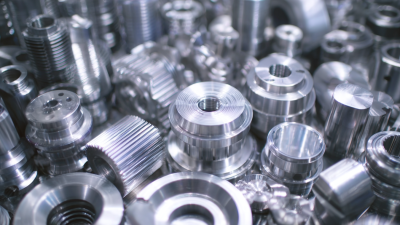
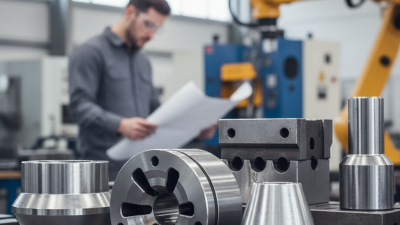
When it comes to manufacturing components, the choice of materials is crucial. Forged Aluminum Parts are increasingly popular in various industries. These parts offer a unique combination of strength and lightweight properties. Their ability to withstand high stress makes them ideal for demanding applications.
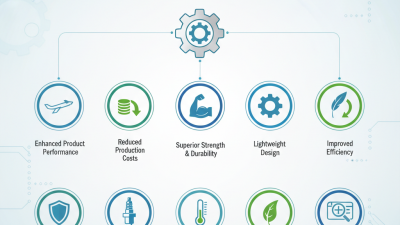
Forged Aluminum Parts have many advantages. They exhibit superior resistance to fatigue and wear, enhancing the longevity of projects. Moreover, the forging process improves the overall structural integrity. This means fewer failures and reduced maintenance costs. However, sourcing high-quality forged aluminum can be challenging. Not all suppliers meet industry standards.
It's essential to weigh the benefits against the potential downsides. While forged aluminum is durable, it can also be costly. Understanding your project's needs is key. Balancing cost, performance, and quality should guide your decision. In an era where innovation is paramount, forged aluminum may require deeper consideration. It's not just about choosing a material; it's about aligning it with your vision.
Advantages of Forged Aluminum Parts in Engineering Applications
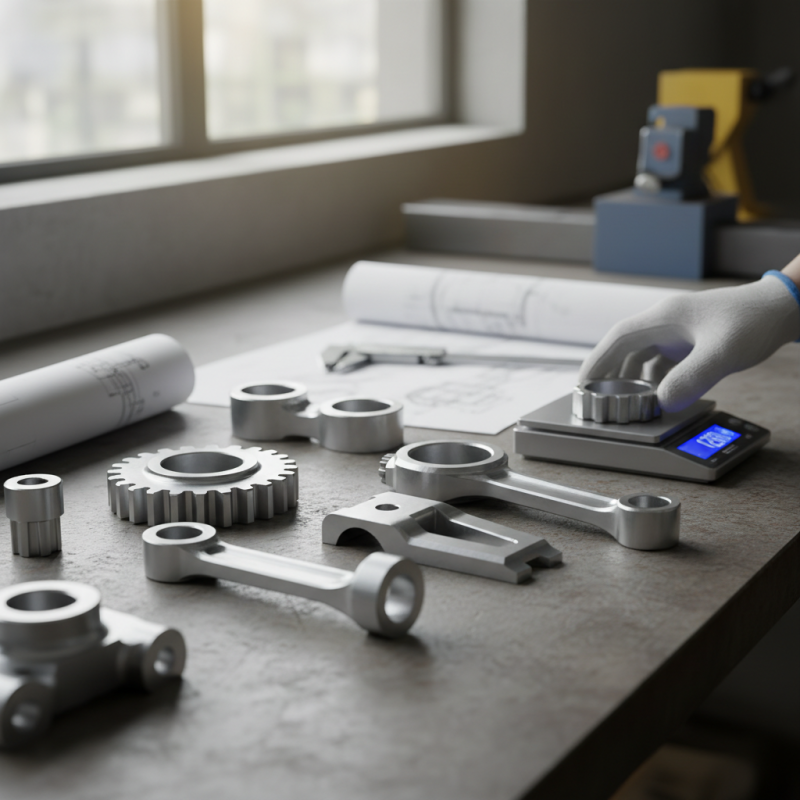
Forged aluminum parts offer unique advantages in engineering applications. One key benefit is their strength-to-weight ratio. These parts are lighter than many metals but can withstand significant stress. This makes them ideal for industries like aerospace and automotive. The durability of forged aluminum translates to longer-lasting products, reducing maintenance costs.
In addition, the forging process enhances the material’s inherent properties. It creates a fine grain structure, which improves toughness and resistance to fatigue. Such characteristics are essential for components exposed to harsh environments. However, this process can be costly, and it requires precise control to ensure quality. Any slight error in forging can lead to defects that undermine performance.
Another aspect to consider is design flexibility. Forged aluminum can be molded into complex shapes, offering versatility. Engineers can achieve specific dimensions and features, allowing for innovative solutions. Nevertheless, overly intricate designs can complicate the production process. Testing and iteration may be necessary, adding time to project timelines. Balancing these factors ensures that forged aluminum parts meet project requirements effectively.
Comparison of Forged Aluminum vs. Other Materials
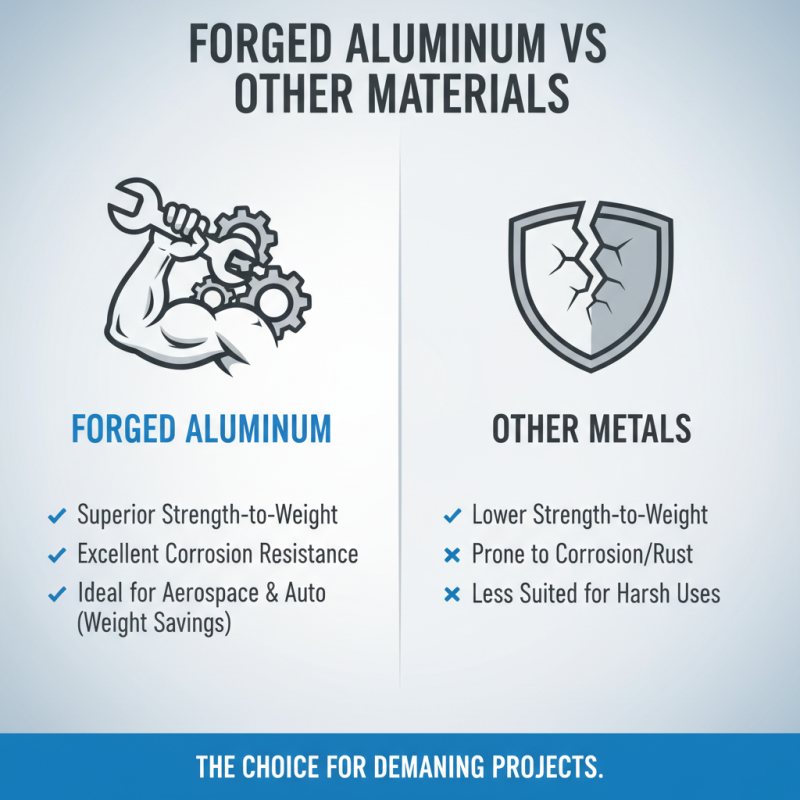
When considering materials for projects, forged aluminum stands out for several reasons. Compared to other metals, it offers superior strength-to-weight ratio. This makes it an excellent choice for aerospace or automotive applications where weight savings are critical. Its resistance to corrosion also favors outdoor or harsh environment uses.
Forged aluminum is more durable than cast aluminum. It provides better mechanical properties through processes that refine its grain structure. However, it can be more expensive. Evaluating your budget versus the performance needs is essential. While it's tempting to choose cheaper alternatives, they may require frequent replacements.
**Tips:** Always consider the environment where your part will be used. Forged aluminum excels outdoors but make sure it's not in extreme conditions. If cost is a concern, assess long-term benefits. A cheaper initial choice may lead to higher costs over time due to replacements.
Impact of Forging Process on Aluminum Properties
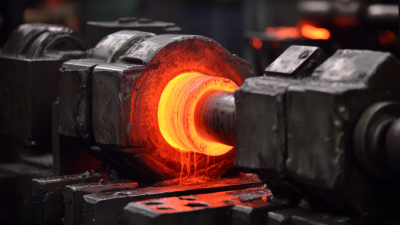
The forging process significantly transforms aluminum into more robust and durable components. When aluminum is forged, the material is subjected to high pressure and elevated temperatures. This alters the microstructure of the aluminum, enhancing its strength. As a result, forged aluminum parts can handle greater loads and resist wear better than their cast counterparts.
The impact of the forging process is evident in various applications. For example, in the automotive industry, forged aluminum wheels are lighter yet stronger than traditional options. This can lead to improved fuel efficiency and handling. However, not all forging techniques produce the same results. Poor temperature control during forging may lead to defects that compromise strength.
There’s also the aspect of consistency. While forging generally enhances properties, the process can still yield imperfections. Each piece may vary slightly in quality. This inconsistency can be a concern in critical applications. Careful monitoring and quality control are essential to avoid potential failures. The journey of refining aluminum through forging is one of continuous learning and reflection.
Why Choose Forged Aluminum Parts for Your Projects? - Impact of Forging Process on Aluminum Properties
| Property |
Forged Aluminum |
Casting Aluminum |
| Strength |
High strength-to-weight ratio |
Lower strength |
| Durability |
Enhanced impact resistance |
Susceptible to breakage |
| Surface Finish |
Smooth finish |
Can have surface imperfections |
| Weight |
Lightweight |
Heavier, denser |
| Cost Efficiency |
Higher initial costs, lower lifecycle costs |
Lower initial costs, higher lifecycle costs |
Cost-Effectiveness of Using Forged Aluminum in Manufacturing
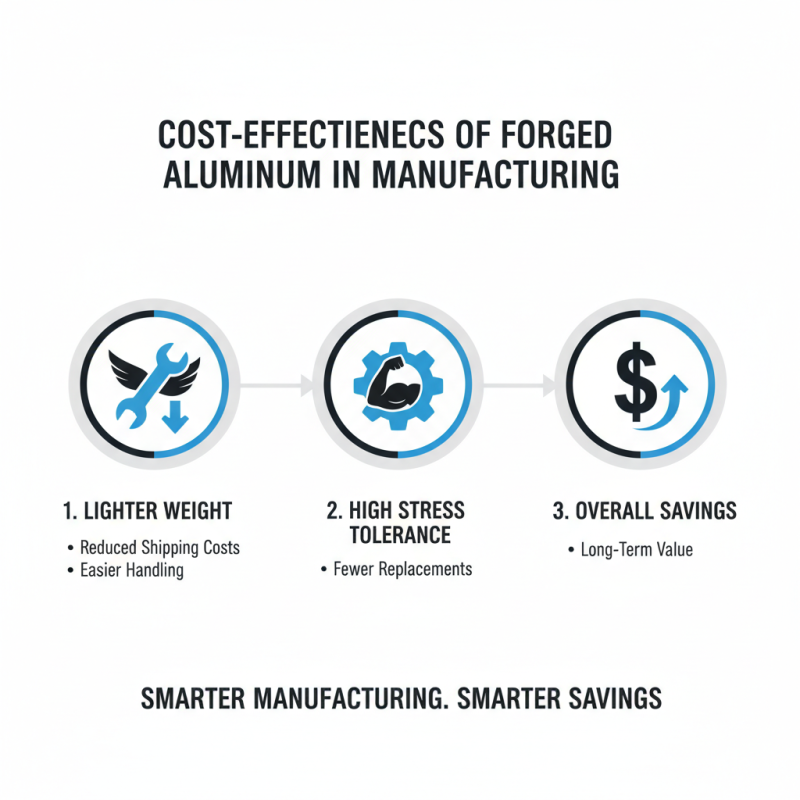
Forged aluminum parts offer exceptional cost-effectiveness in manufacturing. They are lighter than many other materials. This reduction in weight leads to lower shipping costs and easier handling. Additionally, forged aluminum can withstand high stress, which means fewer replacements over time.
The direct costs of forging, though, can be higher initially. The equipment and setup for forging are significant investments. However, the long-term savings often outweigh these initial expenses. Maintenance costs also tend to be lower. This is not to say that all projects benefit equally from forged aluminum; some applications may not justify the expense.
Moreover, the aesthetic appeal can play a role in cost-effectiveness too. Forged aluminum offers a sleek finish that needs less post-processing. Quality issues may arise if not managed properly. Each project requires careful consideration. Ultimately, the decision should align with specific project needs and budgets.
Applications of Forged Aluminum Parts in Various Industries
Forged aluminum parts have gained traction across various industries due to their strength and lightweight nature. In the aerospace sector, they are preferred for critical components. According to a recent report by Market Research Future, the aerospace forged aluminum market is projected to reach $5 billion by 2025. This is driven by the need for lighter materials to improve fuel efficiency.
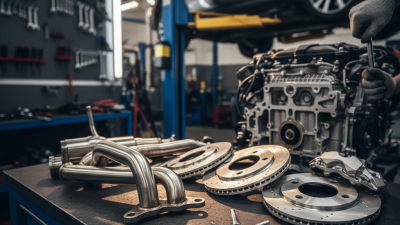
In automotive applications, companies favor forged aluminum parts for engine components and chassis. A study by the Aluminum Association highlights that utilizing forged parts decreases vehicle weight by up to 15%. This reduction enhances performance and fuel economy, which is vital as regulators push for lower emissions. However, the forging process can lead to variability in strength. Manufacturers must carefully monitor quality to ensure reliability.
The military sector also benefits from forged aluminum. Its use in armored vehicles and aircraft improves durability under extreme conditions. Still, the high initial cost of these parts poses challenges for broader adoption. Balancing budget constraints with performance needs remains a topic of discussion among industry leaders. Forged aluminum parts hold promise but require ongoing evaluation of their production processes and applications.