How to Choose the Best Forged Steel Parts for Your Needs?
Selecting the right forged steel parts is crucial for optimal performance in various applications. Industry reports indicate that the forged steel market is projected to reach $450 billion by 2025. This growth reflects the increasing demand across sectors like automotive and aerospace. As noted by Dr. James Harrington, a leading expert in metallurgical engineering, “Quality forged steel parts are the backbone of reliable machinery.”
When choosing forged steel parts, understand the specific requirements of your project. Consider strength, weight, and resistance to fatigue. Several criteria affect the performance of these components. It's essential to consult with industry professionals to avoid oversights that could lead to costly errors.
Forged steel parts can vary greatly in quality. Not all suppliers meet the same standards. Thus, thorough research and verification of suppliers are vital. You might encounter options that seem appealing but may not meet your needs. In such cases, asking the right questions can save you from regrettable choices. Investing time here pays off in the long run.
Understanding the Basics of Forged Steel Parts and Their Properties
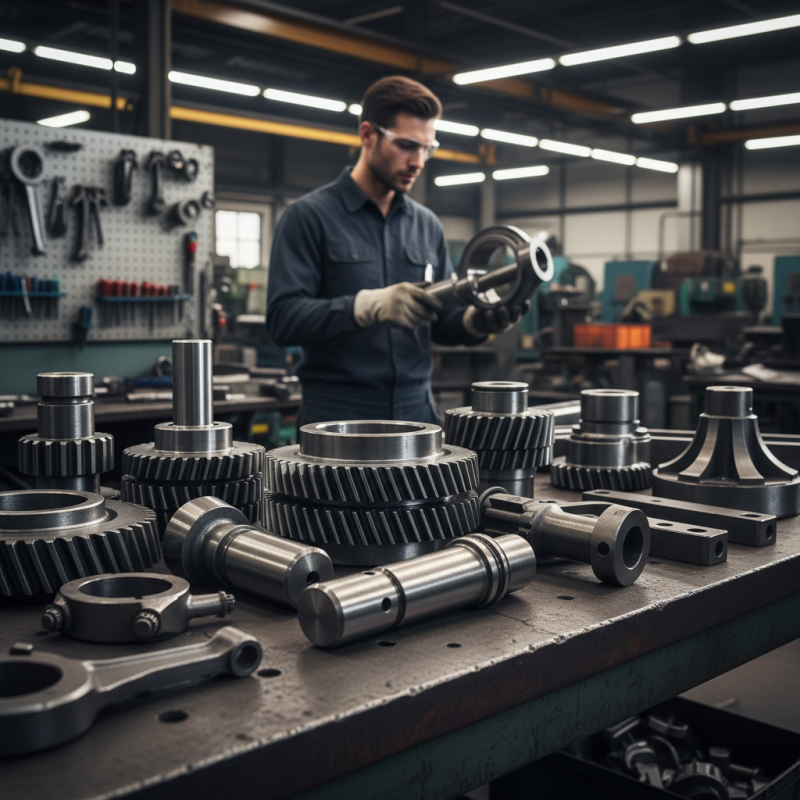
Forged steel parts are renowned for their strength and durability. Understanding their properties is crucial when selecting components for various applications. Forging improves the steel's internal structure, leading to enhanced toughness and fatigue resistance. This results in products that can withstand extreme conditions, making them ideal for heavy-duty machinery and automotive parts.
When choosing forged steel parts, consider the type of steel used. Different alloys can affect the part's performance. For example, high-carbon steel provides better wear resistance. Assess your specific needs, such as weight, strength, and environmental factors.
**Tips:** Always request detailed specifications from manufacturers. This can help you compare the properties of different forged steel options. Consider your project's requirements carefully and consult with experts if needed. Remember, not every part will meet your needs perfectly. Reflecting on previous choices can guide better decisions.
Key Factors to Consider When Selecting Forged Steel Parts for Applications
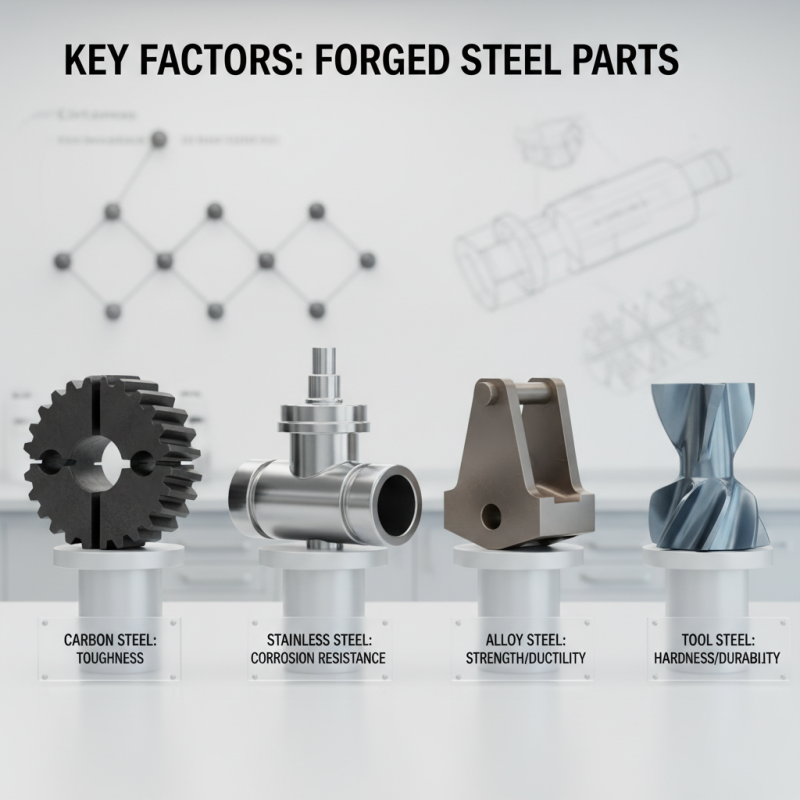
Choosing the right forged steel parts involves assessing critical factors specific to your application. First, the material composition is vital. Different steel alloys offer varying levels of strength, ductility, and corrosion resistance. For example, carbon steel is known for its toughness, while stainless steel provides excellent corrosion resistance. According to the American Institute of Steel Construction, specifying the right alloy can enhance the longevity and performance of your components.
Another essential consideration is the forging process itself. The method can directly affect the part's grain structure, yielding a stronger end product. Forged parts can withstand higher pressures and resist fatigue better than cast parts. A report by the Forging Industry Association indicates that properly forged components can be 20-30% stronger than those made from traditional casting processes. However, it's essential to weigh factors like cost and production time against the benefits of forging, as it can lead to higher upfront investment.
It's also crucial to examine the manufacturer's reputation. A reliable supplier will provide transparency in their quality control processes. Look for manufacturers with ISO certifications. However, not all manufacturers maintain the same standards, and past failures in quality assurance have led to recalls in various industries. The selection process should account for these variables for optimal performance in your applications.
Comparing Different Types of Forged Steel Alloys and Their Uses
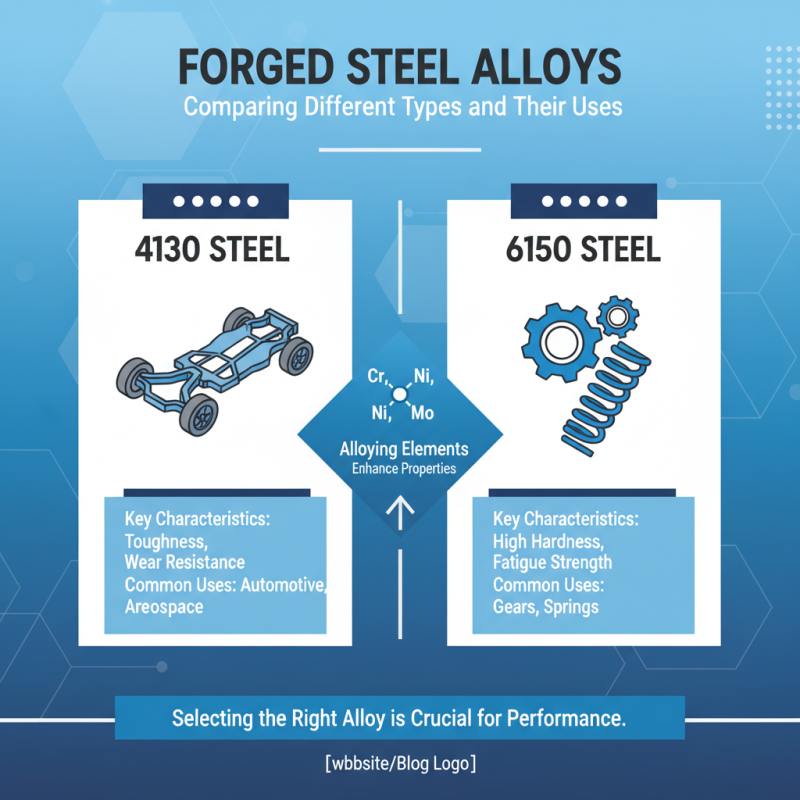
When selecting forged steel parts, understanding the characteristics of different steel alloys is crucial. Alloying elements like chromium, nickel, and molybdenum enhance the mechanical properties of steel, making it suitable for diverse applications. For instance, 4130 steel, known for its toughness and wear resistance, is popular in automotive and aerospace industries. In contrast, 6150 steel offers high hardness and fatigue strength, which is ideal for manufacturing gears and springs.
Tips: Always consider the end use of the forged components. Evaluate the environment they will operate in. Corrosive environments may require stainless steel or corrosion-resistant alloys. The choice of alloy impacts not only performance but also cost-effectiveness.
The machining and heat treatment of forged steel will also affect its performance. Data from recent industry reports suggest that up to 70% of fabricated steel parts face machining challenges. These issues can stem from improper selection of alloy or treatment methods. Investing time in understanding these variables can save significant resources later. Always seek advice from experienced engineers for applying the right alloy in your projects.
Evaluating the Manufacturing Processes for Quality Forged Steel Parts
When evaluating manufacturing processes for quality forged steel parts, key factors demand attention. Forge processes like open-die or closed-die forging impact the final properties. Open-die forging allows larger parts but can lead to inconsistencies. Closed-die forging offers precision. According to a study by the Forging Industry Association, closed-die forgings show a 20% increase in tensile strength.
Material selection is crucial. High-carbon or alloy steels typically yield better toughness. A 2021 report indicates that components made from nickel-chromium-molybdenum steels enhance fatigue strength significantly. Inspecting raw materials for purity and composition can prevent future failures. Testing costs can be daunting, yet a 5% increase in quality assurance reduces long-term expenses by 15%.
Another aspect to scrutinize is heat treatment. Processes like quenching and tempering can alter mechanical properties. Many manufacturers overlook specific cooling rates, potentially compromising strength. Failures in these steps can lead to costly recalls. Data shows that 30% of forged parts do not meet specifications due to improper heat treatment. Diligence in these areas is non-negotiable for the best outcomes.
Cost Analysis: Balancing Performance and Budget in Forged Steel Selection
When selecting forged steel parts, cost analysis is crucial. It's important to balance performance and budget. According to industry reports, forged steel typically boasts a higher strength-to-weight ratio compared to cast steel. This means smaller parts can perform better while saving weight.
While initial costs for forged steel components can be higher, long-term savings often make them more economical. In a study by the American Institute of Steel Construction, over 60% of projects reported lower maintenance costs with forged parts. This indicates that optimizing for durability can lead to lower lifecycle expenses.
However, the long-term benefits depend on proper application. Not every project requires high-performance materials. Analyzing your specific needs can reveal whether higher upfront costs justify the enhanced performance. Getting it right demands an understanding of both your operating conditions and future maintenance requirements.
Cost Analysis of Forged Steel Parts Selection
This chart compares the cost per ton of different types of forged steel parts, helping you make informed decisions based on your performance needs and budget considerations.