China Top Forging Machine Parts at 2026 Canton Fair China?
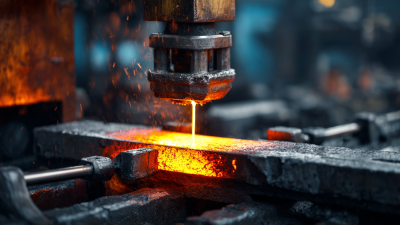
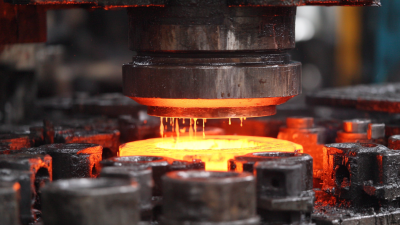
As the 2026 Canton Fair approaches, the spotlight shines on Forging Machine Parts. This event, held from April 15 to May 5, will gather industry leaders and innovators. With advanced manufacturing as a key focus, the fair promises to showcase cutting-edge machinery. Attendees can expect to see the latest technologies that enhance efficiency and productivity.
The introduction of AI features will further streamline the experience for buyers. Vendors meeting specific certifications, such as ISO and CE, will be easily identifiable. This ensures quality in the selection process. The vast 1.55 million square meter venue will provide ample opportunity for networking and exploration. However, companies must consider the challenges of standing out in such a large space.
Moreover, firms must constantly reflect on their offerings. With rapid advancements in technology, staying relevant is vital. The fair presents both opportunities and pressures. Exhibitors should be prepared to engage with discerning buyers who demand innovation and quality in Forging Machine Parts. It’s an exciting time, but it also requires introspection and adaptation to meet evolving industry standards.
China's Forging Machine Parts Industry Overview
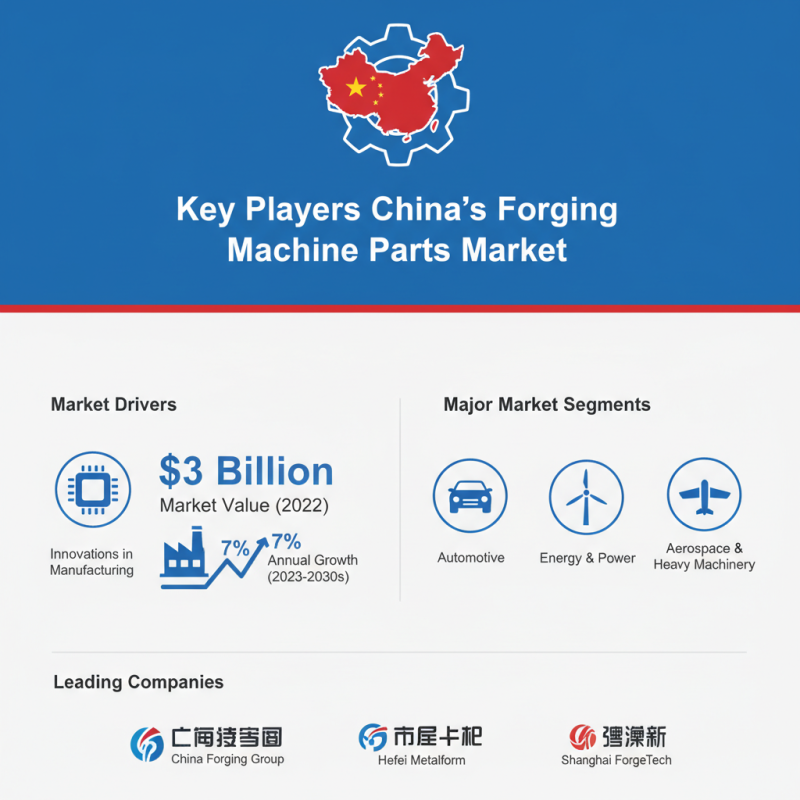
The forging machine parts industry in China plays a vital role in global manufacturing. In 2022, it was valued at approximately USD 12 billion and is projected to grow at a compound annual growth rate (CAGR) of 5.3% over the next few years. This growth highlights the increasing demand for precision parts used in various sectors, such as automotive and aerospace. Chinese manufacturers are now focusing on enhancing quality and efficiency, but challenges remain.
Despite advancements, many manufacturers face issues like outdated technology and high labor costs. According to industry reports, around 40% of forging companies struggle to keep up with international standards. This presents an opportunity for innovation and improvement. Increasing investment in research and development could address these gaps. Trade shows like the Canton Fair serve as platforms for showcasing technological advancements, connecting suppliers and buyers effectively.
Moreover, sustainability is becoming essential. The industry is under pressure to adopt eco-friendly practices. Reports indicate that about 30% of companies still lack proper waste management systems. This is an area needing focused efforts. Adopting greener technologies could attract international clients and ensure long-term growth. The forging machine parts sector in China is on an exciting yet challenging path. Continued vigilance and adaptation are required to thrive in a competitive landscape.
China Top Forging Machine Parts at 2026 Canton Fair China? - China's Forging Machine Parts Industry Overview
| Category |
Production Volume (units) |
Export Value (million USD) |
Market Growth Rate (%) |
Key Applications |
| Automotive Parts |
1,200,000 |
250 |
8 |
Engines, Chassis |
| Industrial Machinery |
800,000 |
150 |
10 |
Construction, Mining |
| Aerospace Components |
400,000 |
300 |
12 |
Airframes, Landing Gear |
| Energy Sector Products |
600,000 |
200 |
9 |
Turbines, Generators |
| Railway Components |
300,000 |
100 |
7 |
Tracks, Couplers |
Innovations and Technologies in Forging Machine Parts
The enhancements in forging machine parts are revolutionizing the manufacturing sector. Innovations focus on increased efficiency and reduced production costs. Recent industry reports indicate that the global forging market is projected to surpass $100 billion by 2026. This growth stems from technological advancements and rising demands across various industries.
Manufacturers are exploring smart technology and automation. These technologies enhance precision and minimize waste. For example, integrating AI into forging processes can optimize workflows. Yet, some firms still rely on outdated methods. This reluctance can hinder competitiveness and potential gains.
Sustainability is also a hot topic. The use of recycled materials is becoming more common in forging parts. Reports suggest that up to 50% of raw materials in some regions are now sourced from recycled content. While this shift is promising, challenges remain. Manufacturers must balance innovation with environmental impact. The journey toward fully sustainable practices requires ongoing assessment and improvement.
Innovations in Forging Machine Parts at 2026 Canton Fair
Exhibitor Highlights at the 2026 Canton Fair
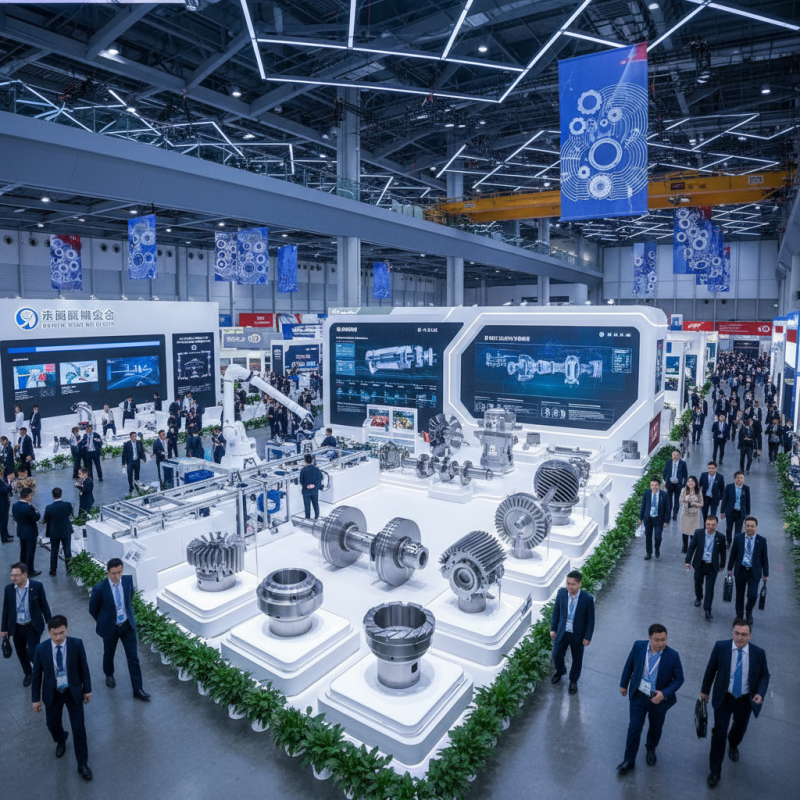
At the 2026 Canton Fair, visitors can expect a vibrant showcase of top forging machine parts. This event draws numerous exhibitors eager to display their latest innovations. Attendees will encounter a variety of products designed to enhance efficiency and precision in forging processes. The energy in the exhibition hall will be palpable, as industry leaders and emerging companies come together to share their expertise.
One highlight will be the opportunity to engage directly with exhibitors. Many companies are set to showcase advanced technologies, including automated solutions and eco-friendly materials. Attendees should be prepared for discussions on the challenges facing the industry, such as sustainability. Some exhibitors may even reveal their paths to overcome these hurdles.
Feedback from past fairs highlights the importance of meaningful connections. Visitors often leave with valuable contacts and insights. However, not every interaction leads to success. Sometimes, the conversations linger without clear outcomes. Reflecting on these moments can shed light on how to approach future events more effectively. Overall, the 2026 Canton Fair promises to be a dynamically engaging environment for all participants.
Significance of the Canton Fair for Global Trade in Forging Parts
The Canton Fair stands as a pivotal event for global trade, specifically in the forging parts sector. Industry leaders and manufacturers gather to showcase innovation and technology. Here, businesses connect and collaborate, sharing insights and exploring new markets. The fair offers an immense platform to promote growth.
Tips: Engage with multiple exhibitors to gain diverse perspectives. Networking is crucial for discovering potential partnerships. Empathy can guide discussions, fostering deeper connections.
Importantly, the Canton Fair allows companies to analyze trends and shifts in the forging industry. This awareness can guide production and marketing strategies. Attendees should be prepared for unexpected changes and challenges. Adapting quickly is vital for success.
Tips: Stay informed about industry news before the fair. Prepare questions that provoke thoughtful discussions with exhibitors. This can enhance your experience and provide clarity on your own business goals.